
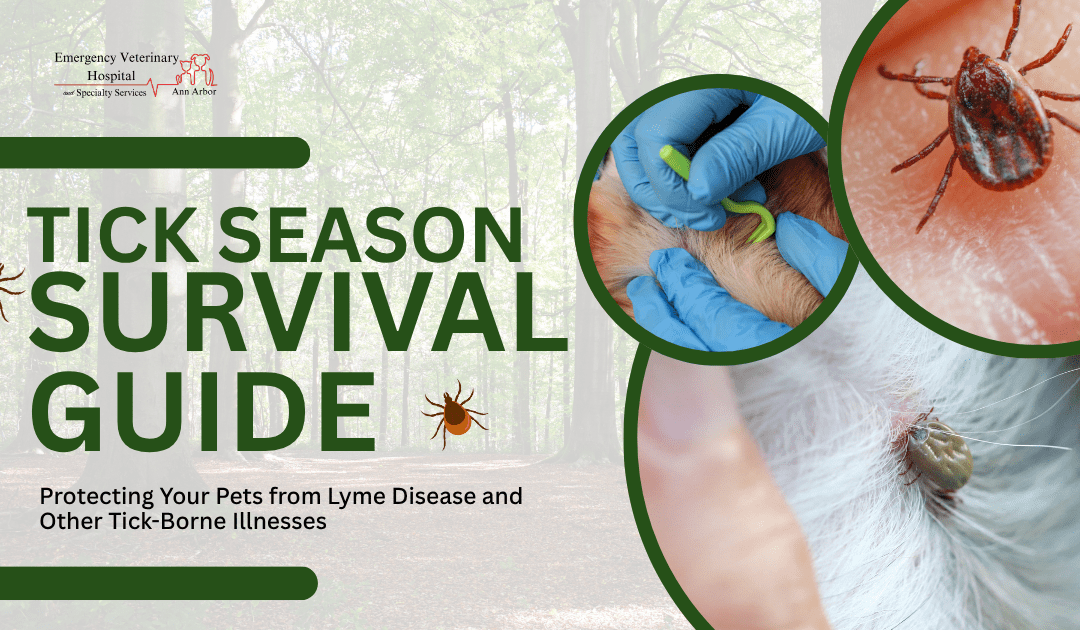
As warmer weather arrives and our pets spend more time exploring the great outdoors—especially here in Michigan where tick populations are active and expanding—it’s crucial to stay ahead of tick-borne diseases. At our veterinary clinic, we prioritize preventive care to keep your dogs, cats, and furry family members happy and healthy year-round. While Lyme disease often makes headlines, ticks can transmit several serious illnesses. In this post, we’ll cover the key facts, symptoms to watch for, and—most importantly—proven prevention strategies pulled straight from leading veterinary sources.
Understanding Tick-Borne Illnesses in Pets
Ticks are tiny but powerful vectors that feed on blood and can pass along bacteria, parasites, or other pathogens during a meal. Common tick-borne diseases affecting pets in the U.S. (including the Midwest) include Lyme disease, anaplasmosis, ehrlichiosis, babesiosis, and Rocky Mountain spotted fever. These can cause everything from mild lethargy to severe complications like anemia, joint damage, or kidney issues if left untreated. Dogs are more commonly affected than cats, but both benefit hugely from protection.23
A Closer Look at Lyme Disease
Lyme disease is caused by the bacterium Borrelia burgdorferi and is mainly spread by blacklegged ticks (also called deer ticks). Transmission usually requires the tick to stay attached for 24–48 hours.
Good news for pet parents: Most dogs (about 90–95%) exposed to Lyme bacteria never develop clinical signs. When illness does occur (in roughly 5–10% of cases), symptoms typically appear 2–5 months after a bite and may include:
- Intermittent limping or shifting-leg lameness
- Fever
- Loss of appetite or decreased activity
- Swollen lymph nodes or painful, swollen joints
Dogs Can Develop Lyme Nephritis
Lyme nephritis, a potentially fatal kidney condition in dogs, can emerge as a complex offshoot of Lyme disease. It materializes when the immune response to the bacterium that triggers Lyme disease, Borrelia burgdorferi, incites kidney inflammation. This inflammatory action disrupts standard kidney function, spiraling toward chronic kidney disease and, in severe cases, kidney failure.
Although Lyme nephritis is a rare (affecting 1-5% of infected dogs) yet extremely critical complication of Lyme disease, it underlines the importance of preventing it. This prevention can be achieved through regular tick control and vaccination. Early detection and treatment of Lyme disease, especially during the initial infection phase, are crucial in sidestepping this and other serious complications.
Diagnosis often involves blood tests (like antibody screening or the SNAP 4Dx test) alongside your pet’s history and symptoms. Treatment typically means a 30-day course of antibiotics such as doxycycline, and most pets respond very well when caught early.
Dogs are not the only creatures who can test positive for Lyme disease, cats can test positive for exposure but rarely show signs of illness.
Other Tick-Borne Threats to Know About
- Anaplasmosis and ehrlichiosis: These bacterial infections can cause fever, lethargy, joint pain, low blood counts, and swollen lymph nodes.
- Babesiosis: Affects red blood cells, leading to anemia and weakness.
- Rocky Mountain spotted fever: More severe, with potential for muscle pain and neurological signs.
Early veterinary intervention makes a huge difference with all of these.
Prevention: Your Strongest Weapon
The Companion Animal Parasite Council (CAPC) and other experts emphasize that prevention beats treatment every time. Here’s what we recommend to our clients:
- Year-round tick preventatives: Use veterinarian-approved products (oral tablets, topicals, or collars) that kill or repel ticks. These are essential even in cooler months. Examples: Simparica, Bravecto, Advantix, etc – This should be given year round in Michigan. (PSA: We have zero affiliation with these brands and are only posting them as common ones we see prescribed by primary care veterinarians)
- Daily tick checks: After walks or playtime, especially in wooded, grassy, or brushy areas. Focus on ears, between toes, under the collar, and in armpits/groin. Ticks can even hide along the gumline, so make sure you check your dog’s pearly whites!
- Proper tick removal: If you find one, grasp it with fine-tipped tweezers close to the skin and pull steadily. Clean the area afterward. Save the tick and we recommend you send it out to https://www.ticknology.org to determine what type of tick is it and if it is infected with Lyme disease or other tickborne illnesses. Get your dog tested for Lyme disease 30 days after removing it.
- Lyme vaccination for dogs: Highly recommended in endemic or emerging areas like Michigan to minimize risk — your primary care veterinarian can assess your pet’s risk. (Note: No vaccine exists for most other tick-borne diseases.)
- Habitat smarts: Keep your grass mowed short, clear brush and leaf litter, use pet safe methods for tick control such as and stick to trails during hikes. Avoid letting pets roam in tall vegetation.
When to Call Your Vet
If you spot a tick, notice unusual limping, lethargy, fever, or appetite changes—or just want peace of mind—reach out right away. We offer quick screening tests and effective treatments for tickborne illnesses. Signs of illness can appear 7–21 days (or longer) after a bite, so proactive check-ins save stress and cost down the road.
Protect Your Pets—And Your Family
Your dog or cat can bring ticks indoors, so keeping them protected helps everyone stay safer. Speak with your primary care veterinarian about developing a personalized prevention plan based on your pet’s lifestyle and local risks.
Share this post with fellow pet parents, and follow our social channels for more seasonal tips, product spotlights, and health alerts.
Sources (Information pulled directly from these reputable veterinary resources):
- American Veterinary Medical Association (AVMA): Lyme Disease in Dogs
- Companion Animal Parasite Council (CAPC): Lyme Disease Guidelines
- Centers for Disease Control and Prevention (CDC): Preventing Ticks on Pets
- Cornell University College of Veterinary Medicine (additional feline and canine tick resources)
Stay vigilant, pet lovers—your proactive steps make all the difference! 🐾